The days of wide, thirsty lawns in Southern California are slowly fading into memory. Across San Diego County and beyond, homeowners and property managers are trading turf for texture, color, and purpose. The shift isn’t just about saving water, though that’s certainly part of it. It’s about reimagining what an outdoor space can be; how it looks, how it feels, and how it fits into a changing climate and culture.
A New Vision for Outdoor Living
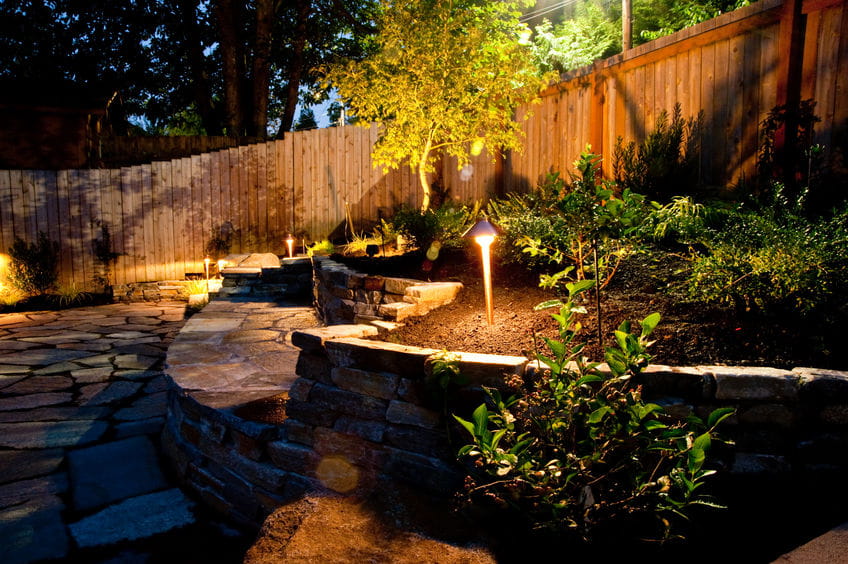
The green carpet aesthetic once defined suburban success. Perfectly trimmed grass was the sign of order, care, and maybe a touch of pride. But in a region where rainfall rarely cooperates and water costs climb higher each year, that model is wearing thin. Instead of uniformity, people now want character. They’re replacing lawns with stone paths, crushed granite, and clusters of drought-tolerant plants that look alive all year. These spaces tell a story, not of control but of connection, between people, their environment, and the kind of beauty that doesn’t depend on sprinklers running at dawn.
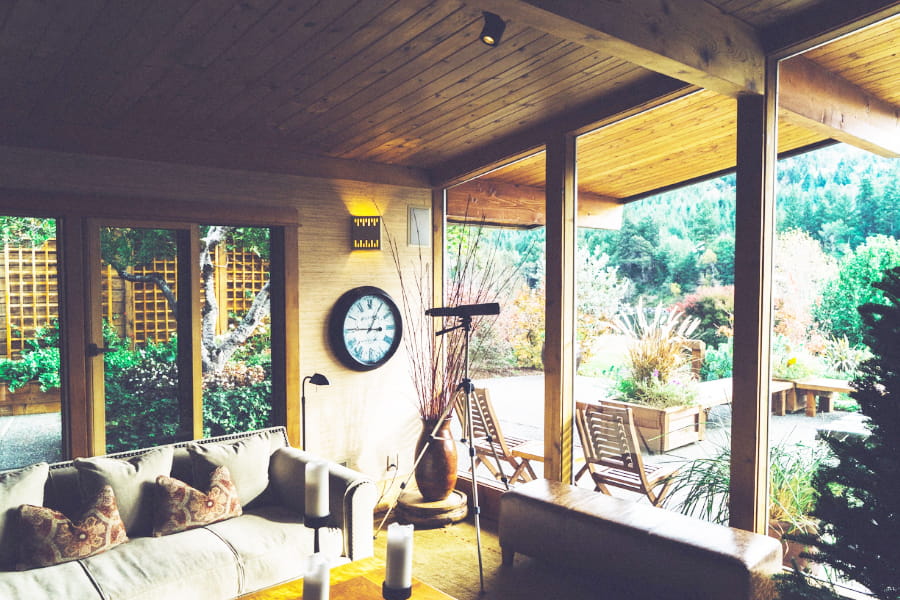
The result isn’t just practical. It’s also more personal. Landscapes are becoming extensions of living rooms, places for morning coffee or late-night conversation. Designers are leaning into a natural look that feels right for the local terrain instead of fighting against it.
The Rise of Sustainable Design
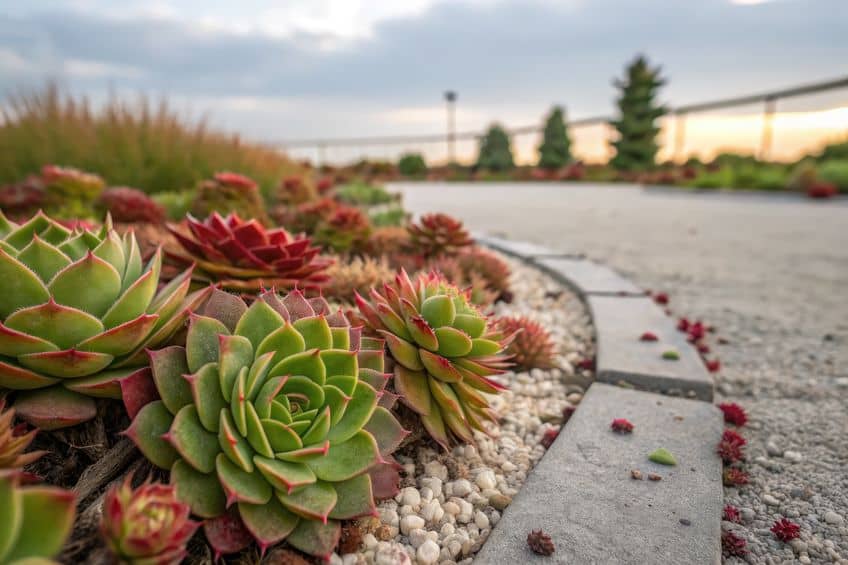
Water conservation has gone from a nice idea to an everyday necessity. With ongoing restrictions and an unpredictable climate, Southern Californians are learning to do more with less. That’s where drought-resistant landscaping comes in. This approach uses native and Mediterranean plants that thrive on minimal watering once established. Think sages, manzanitas, and succulents that don’t just survive the heat but love it.
Beyond plant choice, it’s about smarter systems. Drip irrigation, mulch layers, and rainwater catchment all play a role. These details may not grab attention the way a flowerbed does, but they’re what make the whole landscape sustainable. The bonus? Lower water bills and less maintenance. In a region where every drop counts, that matters.
Rooted In the Local Landscape
Southern California’s natural terrain offers all the inspiration anyone could need. From coastal scrub to inland canyons, native plants bring life into spaces without demanding much in return. They’re perfectly adapted to local conditions, which means less stress for gardeners and more support for wildlife. When you use natives, you’re helping restore a piece of the local ecosystem right in your backyard.
For those wanting to dive deeper into plant selection or design guidance, you can learn more at websites like LaBahns.com, bewaterwise.com or suscon.org. They offer a range of resources for anyone looking to combine environmental awareness with visual appeal. Choosing natives doesn’t mean sacrificing style, it means embracing authenticity. The textures, subtle blooms, and natural shapes of these plants often outshine imported species that wilt under the same sun.
Commercial Spaces Catching On
It’s not just homeowners making the change. Commercial properties are rethinking their landscapes too. Shopping centers, office parks, and apartment complexes across San Diego are moving away from high-maintenance lawns toward water-smart designs. These aren’t just eco-friendly gestures, they’re business decisions. Replacing turf with low-water plants, gravel walkways, and shaded seating reduces upkeep costs while keeping outdoor areas attractive and usable.
In some communities, these changes are becoming part of identity. A plaza that once relied on manicured hedges now buzzes with bees and butterflies. Visitors linger under native trees that offer both shade and a sense of place. This kind of landscaping quietly communicates values like respect for the land, mindfulness about resources, and an understanding that sustainability doesn’t have to look sterile or stripped-down.
The Human Element
What’s interesting about this shift is how personal it’s become. People aren’t just changing their yards because of drought or mandates. They’re changing them because they want to live differently. They want gardens that feel alive, that smell like the desert after rain, that attract hummingbirds in the morning. Landscapes are no longer decoration, they’re part of daily life.
Even small changes can have a ripple effect. Replacing a patch of grass with decomposed granite and a few hardy plants can change how you experience your home. It can also inspire neighbors to do the same. The movement toward sustainable design isn’t top-down, it’s spreading person to person, yard to yard.
Redefining Beauty Outdoors
For decades, perfection in landscaping meant sameness: a bright, green expanse kept alive by sprinklers and fertilizer. That image doesn’t fit anymore. Today’s beauty looks more natural, more effortless, and more in tune with the environment. Textures matter as much as color, and shade carries just as much weight as sun.
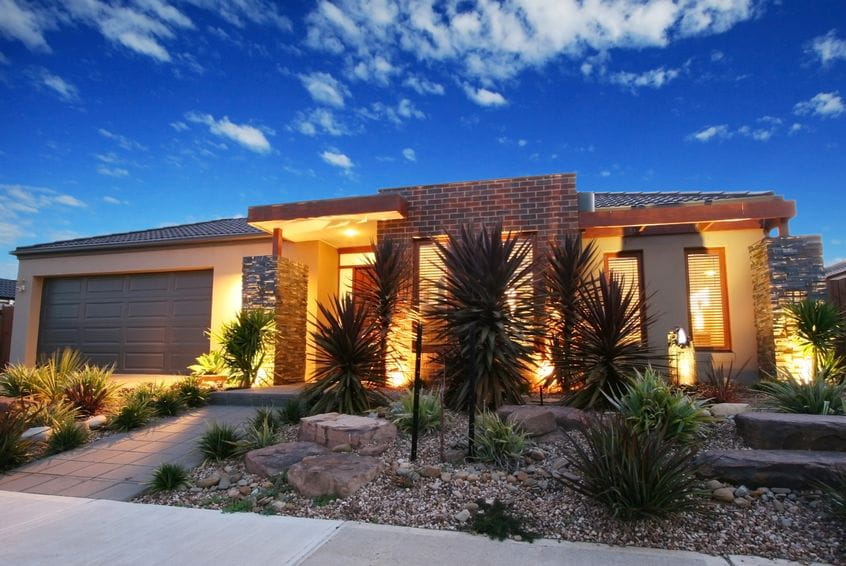
There’s a sense of creative freedom now that wasn’t always there. Homeowners mix gravel with ground covers, use boulders as focal points, and play with plant heights to mimic natural growth patterns. The result is something both grounded and artistic, a look that feels right for a region defined by sun, sand, and coastal breeze.
Final Thoughts
Southern California’s landscapes are telling a new story, one rooted in respect for the environment and a more relaxed sense of beauty. The transition from lawns to living landscapes shows how creativity and conservation can coexist. Whether you manage a commercial property or just a small backyard, the shift toward native plants and water-wise design isn’t just practical, it’s deeply rewarding. It turns outdoor space into something alive, something reflective of place and purpose. And that, in a dry and ever-changing region, might be the most enduring kind of growth there is.