In San Diego, we know how to talk about traffic on the 5 like it’s a sport. We know where to get the best carne asada fries at 2 a.m. and how to layer hoodies over board shorts in ways that shouldn’t make sense but do. But mental health? That’s been slower to enter the local conversation, until recently. There’s something changing here, and not in a trendy, buzzword-filled way. It’s real. You can feel it in neighborhood clinics, coworking spaces, and even on surfboards. People are speaking up, checking in and carving out space for emotional well-being in a city that’s long prized laid-back exteriors.
Mental health in San Diego is no longer a backroom issue whispered about in a therapist’s office off El Cajon Boulevard. It’s happening out in the open, in city council meetings, on school campuses, and at community centers from Chula Vista to Carlsbad. There’s something refreshingly honest about the way locals are embracing this shift—not with performative self-care mantras, but with actual follow-through.
The Local Landscape Is Stepping Up
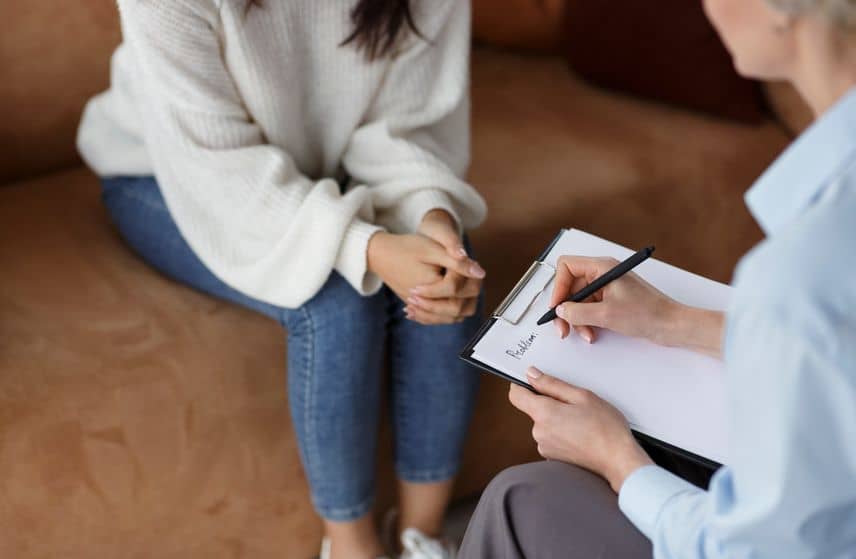
San Diego’s not waiting for a national mandate to get better about mental health access. Across the county, nonprofits are expanding services. Libraries and rec centers are hosting support groups. Even UC San Diego Health has rolled out integrated behavioral health programs that embed therapists in primary care settings. The goal? Normalize it. Make help accessible at the same places you get a flu shot or a cholesterol check.
This isn’t just happening in posh zip codes either. Neighborhoods that have historically been underserved, like City Heights and Southeast San Diego, are starting to see targeted outreach, bilingual resources, and culturally competent care become less of a wish and more of a standard. Therapy’s not just for the wealthy or the Instagram-influenced anymore. It’s becoming part of everyday health care, as it should be.
And the local movement isn’t just about seeing a therapist once a week. It’s about acknowledging the weight we carry as human beings—grief, anxiety, burnout, trauma—and giving it a seat at the table. Types of mental health care are being reimagined to fit the way real people live here. From pop-up counseling booths at farmers markets to text-based crisis lines tailored for teens, it’s not one-size-fits-all anymore.
Workplaces Are Learning to Walk the Talk
For a city with a large military population, a booming biotech industry, and a growing creative class, San Diego’s work culture has historically leaned toward resilience at all costs. But resilience doesn’t mean ignoring stress. More local companies are finally getting the memo. Mental health isn’t a liability, it’s a leadership issue.
Startups downtown are offering mindfulness breaks that go beyond apps and actually include paid time to attend therapy. Some local breweries have started scheduling monthly mental health days, no questions asked. And even the tech crowd, with their Slack-heavy workloads, is beginning to embrace actual disconnection.
Of course, not every company nailed it. But a lot of employees are learning to advocate for what they need. HR isn’t just for onboarding and insurance paperwork anymore, it’s where people go to talk about overwhelm, burnout, and the need for flexibility. And here’s where it gets really interesting. State laws are backing this up, and companies are paying attention. Knowing your rights matters. That includes being familiar with understanding mental health leave rules, which let employees step back without risking their job or credibility. San Diego’s becoming a case study in how to do this better.
Young People Are Leading the Charge
If there’s one group pulling this conversation forward in San Diego, it’s Gen Z. They’re not interested in sugarcoating things, and they’re definitely not into outdated attitudes about “toughing it out.” Local high schoolers are organizing wellness clubs. College students are calling out campus mental health waitlists. TikTok has its place, sure, but they’re showing up to town halls, too.
At San Diego State University, peer-led support groups are giving students space to process everything from academic pressure to anxiety attacks. Community colleges are following suit with culturally sensitive programming and real-time access to licensed counselors. It’s not always perfect, and resources can still be stretched thin, but the shift is clear. Young people in this city are treating mental health like a human right, not a luxury.
Even in high schools, teachers and counselors are being trained to spot red flags and respond with care, not dismissal. The old “walk it off” mentality is giving way to actual listening. In places where the stakes are high and resources are limited, that’s a big deal.
Healing Doesn’t Look the Same for Everyone
In a city as diverse as San Diego, healing can’t be a single-track process. Some people find clarity in therapy. Others find it on a surfboard at Windansea. For some, it’s long talks with family. For others, it’s journaling, gardening, or walking around Balboa Park without earbuds in.
Cultural norms play a huge role in how people seek help, or don’t. That’s why it matters that so many local practitioners are bringing bilingual, bicultural care to the table. Whether you’re Black, Filipino, Indigenous, Latino, or part of the Middle Eastern community, finding a therapist who understands where you’re coming from shouldn’t be a luxury.
Let’s not forget affordability. That’s where local nonprofits are quietly doing the heavy lifting, Connecting people with low-cost or no-cost counseling, support groups, and resources that meet them where they are. The point isn’t to turn everyone into a meditation expert. It’s to help people feel seen, supported, and a little less alone.
San Diego Isn’t Just Surf and Sunshine Anymore
Sure, the sunshine helps. But San Diego’s no longer coasting on the weather. The city’s growing into a more emotionally intelligent version of itself. One that recognizes the invisible weight so many carry. It’s in the way neighbors check on each other. It’s in how school districts are funding wellness counselors. It’s in the casual “how are you really doing?” that doesn’t feel performative anymore.
This isn’t about perfection. It’s about progress. Right now, San Diego is making some of the most meaningful strides in California when it comes to mental health care that actually fits people’s lives.
Keeping the Momentum Going
There’s something powerful happening in San Diego, and it’s not just another trend. It’s a deeper shift. One that invites people to show up fully, messily, and honestly. Mental health is part of the everyday conversation now, not an awkward detour.
We’re not all the way there yet, and that’s okay. The effort, the honesty, the community-wide commitment to making mental health care more accessible and more human and more real. And it’s starting to change lives, quietly but powerfully, all across this sun-drenched city.