Setting emotional boundaries is one of the most important skills for mental health and overall well-being. Yet, many people struggle with it. They fear hurting others, being seen as selfish, or damaging relationships. As a result, they overgive, overexplain, and exhaust themselves emotionally.
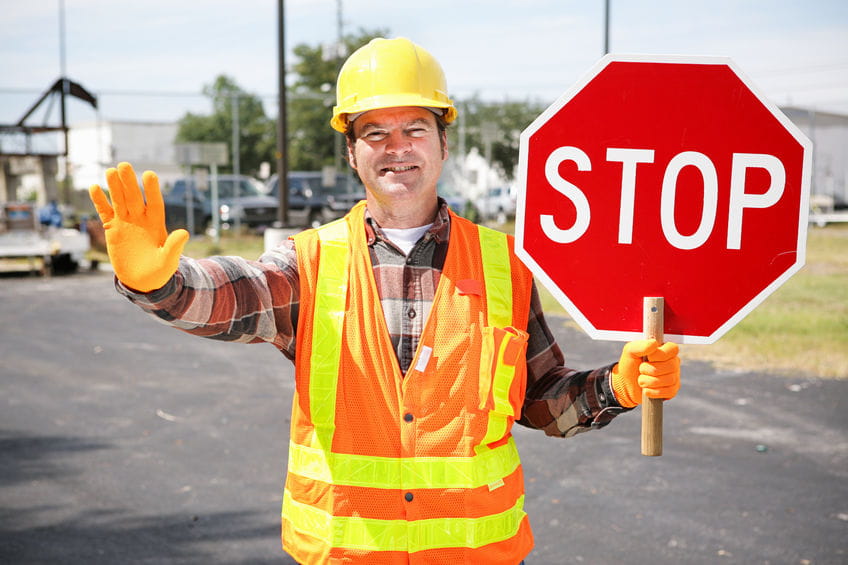
The truth is simple: healthy boundaries protect your mental health and improve your relationships. They are not walls. They are guidelines that show others how to treat you.
This article will help you understand emotional boundaries, why guilt shows up, and how to set limits with confidence and compassion—without feeling bad about it.
What Are Emotional Boundaries?
Emotional boundaries define where your feelings, responsibilities, and needs end—and where someone else’s begin. They help you decide:
- How much emotional energy you give
- What behavior you accept
- When to say no without overexplaining
- How to protect your mental space
Healthy emotional boundaries allow you to stay connected without losing yourself.
Emotional Boundaries vs. Emotional Walls
- Boundaries are flexible and respectful
- Walls are rigid and cut people off
The goal is not isolation. The goal is balance.
Why Do We Feel Guilty Setting Boundaries?
Guilt is one of the biggest barriers to healthy boundaries. It often comes from deeply rooted beliefs learned early in life.
Common Reasons Behind Boundary Guilt
1. People-Pleasing Patterns
Many people learned that love comes from being helpful, agreeable, or self-sacrificing.
2. Fear of Rejection
Saying no can trigger fear of abandonment or conflict.
3. Cultural or Family Conditioning
Some families and cultures reward self-neglect and label boundaries as “selfish.”
4. Trauma or Codependency
People with trauma histories often feel responsible for others’ emotions.
According to the American Psychological Association, chronic people-pleasing and lack of boundaries are linked to higher levels of stress, anxiety, and burnout (APA, 2023).
Why Emotional Boundaries Are Essential for Mental Health
Healthy boundaries are not optional. They are a mental health necessity.
Mental Health Benefits of Setting Boundaries
- Reduced anxiety and resentment
- Lower emotional burnout
- Improved self-esteem
- Healthier relationships
- Better emotional regulation
A study published in the Journal of Mental Health found that individuals with strong personal boundaries reported 30–40% lower stress levels compared to those with weak boundaries (Journal of Mental Health, 2021).
Signs You Need Stronger Emotional Boundaries
If you’re unsure whether you need boundaries, look for these signs:
- You feel drained after conversations
- You say yes when you want to say no
- You feel responsible for others’ emotions
- You resent people you care about
- You overexplain your decisions
- You feel guilty for resting or taking space
These are not character flaws. They are boundary signals.
How to Set Emotional Boundaries Without Feeling Guilty
Setting boundaries takes practice. Guilt may still show up at first—but it does not mean you are doing something wrong.
1. Get Clear on Your Limits
You cannot communicate boundaries if you don’t know them.
Ask yourself:
- What drains me emotionally?
- What behaviors feel disrespectful or overwhelming?
- What do I need more or less of?
Clarity reduces confusion and guilt.
2. Understand That Guilt Is a Feeling, not a Fact
Feeling guilty does not mean you are guilty.
Guilt often appears when you break old patterns. That discomfort is a sign of growth, not harm.
According to Brené Brown’s research, guilt becomes unhealthy when it’s tied to shame and people-pleasing rather than values-based behavior (Brown, 2015).
3. Use Simple, Direct Language
You do not need long explanations. Clear language builds respect.
Examples:
- “I can’t talk about this right now.”
- “I need some time to myself today.”
- “That doesn’t work for me.”
Short sentences are powerful.
4. Stop Overexplaining
Overexplaining often comes from fear of disapproval.
You are allowed to:
- Say no without a reason
- Change your mind
- Protect your emotional energy
The more you explain, the more others may try to negotiate.
5. Expect Pushback and Stay Calm
Not everyone will like your boundaries. That does not mean they are wrong.
People who benefited from your lack of boundaries may resist change.
Stay calm. Repeat your boundary without defending it.
Example:
“I understand how you feel. I’m still not available for that.”
6. Practice Self-Compassion
Be kind to yourself during the process. Boundary-setting is a skill, not a switch.
Research from Harvard Medical School shows that self-compassion reduces emotional distress and increases resilience (Harvard Health, 2022).
Talk to yourself the way you would talk to a close friend.
Setting Emotional Boundaries in Different Relationships
Boundaries With Family
Family dynamics can make boundaries feel especially hard.
- Keep explanations brief
- Avoid revisiting old arguments
- Focus on present behavior
You are allowed to grow—even if others don’t like the changes.
Boundaries in Romantic Relationships
Healthy relationships require mutual respect.
- Share needs clearly
- Avoid mind-reading
- Respect your partner’s boundaries too
Boundaries create safety, not distance.
Boundaries at Work
Emotional boundaries at work prevent burnout.
- Limit after-hours communication
- Say no to unreasonable demands
- Separate your worth from productivity
The World Health Organization recognizes burnout as an occupational phenomenon linked to chronic workplace stress (WHO, 2019).
What Happens When You Maintain Healthy Boundaries
Over time, something powerful happens.
- Guilt decreases
- Confidence grows
- Relationships become more honest
- Emotional exhaustion fades
You begin to trust yourself again.
People who respect you will adapt. Those who don’t reveal important information about the relationship.
Final Thoughts: Boundaries Are an Act of Self-Respect
Setting emotional boundaries without guilt is not about being cold or uncaring. It is about choosing self-respect over self-sacrifice.
You are not responsible for managing everyone else’s emotions.
You are responsible for protecting your mental health.
Boundaries allow you to show up with more clarity, compassion, and emotional balance. And the more you practice them, the lighter they feel.
References
- American Psychological Association (2023). Stress and mental health.
- World Health Organization (2019). Burn-out an occupational phenomenon.
- Journal of Mental Health (2021). Personal boundaries and stress regulation.
- Brown, B. (2015). The Gifts of Imperfection.
- Harvard Health Publishing (2022). The power of self-compassion.