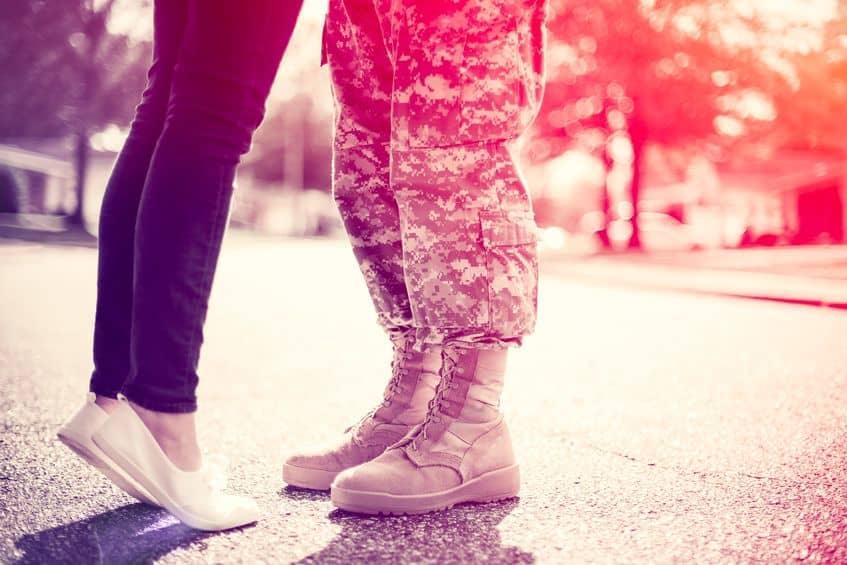
A veteran gets through two deployments without a scratch anyone can see. It’s the coming home that takes him apart.
The house is too quiet. The civilian world moves at a strange speed and cares about things that feel weightless. He can’t sleep, and when he does, he’s back somewhere he’d rather not be. One night he has a few drinks and the noise in his head finally goes quiet. So he does it again. And again. A few years on, the drinking is the loudest thing in his life, and he’s staring down a second homecoming that scares him as much as the first. Getting sober.
Nobody warns you that you might have to come home twice. Once from the war, and once from what the war left behind.
The Homecoming Nobody Prepares You For
The military gives you a mission, a structure, and people who’d take a bullet for you. Then one day it’s gone, and you’re supposed to be grateful for the freedom.
Instead, a lot of veterans feel unmoored. The days lose their shape. The tight-knit team is scattered across the country. And the alertness that keeps you alive downrange doesn’t switch off just because you’re standing in a grocery store. It keeps running, scanning for threats that aren’t there, wearing you down a little more each day.
That’s the backdrop a lot of substance use grows out of. Not a weakness. A person trying to come home in a body and a mind that are still somewhere else.
Why the Drink Made Sense
Here’s the part that deserves honesty instead of judgment. For many veterans, alcohol or drugs started as the only thing that worked.
It quieted the hypervigilance. It dulled the memories. It finally let them sleep. Using a substance to manage trauma is called self-medication, and it’s a deeply human response to pain that won’t let up. The trouble is that the relief is short and the cost keeps climbing.
Research shows how tight that loop gets. A 2014 study of veterans with co-occurring PTSD and substance use, published in Addictive Behaviors, found that 85% said their substance use went up whenever their PTSD symptoms got worse. The trauma drove the drinking, and the drinking eventually made everything worse. Combat makes it more likely, too. A 2025 SAMHSA data spotlight found that among veterans who served in a combat zone, about 1 in 5 had a mental illness in the past year and about 1 in 8 had an alcohol use disorder, both higher than among veterans who didn’t serve in combat.
How the Two Got Tangled
Trauma and addiction don’t stay in separate rooms. They feed each other. The nightmares drive the drinking, the drinking deepens the depression and disrupts the sleep, and the worse you feel, the more you reach for the thing that turns it off.
This is why treating only one side so often fails. The National Institute on Drug Abuse reports that veterans with a substance use disorder are three to four times more likely to also be dealing with PTSD. Get someone sober but leave the trauma untouched, and the trauma comes roaring back with nothing to quiet it. Treat the trauma while the drinking continues, and the alcohol undercuts the work. The two have to be handled together.
Getting Sober Is Its Own Homecoming
Here’s what surprises people. Getting sober feels a lot like coming back from deployment. It’s a return to a world that kept moving without you, to a self you set down a long time ago.
The feelings you numbed come back online all at once, raw and loud. Ordinary life feels foreign for a while. You have to relearn how to fill a day, how to be around people, how to sleep without a crutch. It’s disorienting in the exact way that the first homecoming was disorienting. And it’s survivable the exact same way it was, with structure, with support, and with people who understand what you’re carrying.
You’ve done a hard homecoming before. That’s worth remembering when this one feels impossible.
What Actually Helps Veterans
Generic treatment can miss what veterans need. The approaches that work best treat PTSD and the substance use at the same time, with clinicians who understand military culture and don’t flinch at what you tell them.
Practical access matters too. Many programs work with Tricare and VA referral pathways, so cost and paperwork don’t become one more wall. If you’re looking, it’s worth finding addiction treatment designed for veterans that handles the trauma alongside the substance use, rather than sending you to two disconnected places that never compare notes. Being around other veterans in recovery helps as well, because they get it without you having to explain.
When and How to Get Help
Some signs are worth taking seriously: you can’t sleep, you need a drink to face the day or to face people, your anger runs hot, or you’ve pulled away from everyone. You don’t have to hit a crisis to reach out.
You can contact your local VA, ask your doctor for a referral, or call a treatment program directly and tell them you’re a veteran dealing with both trauma and substance use.
If you’re in crisis or having thoughts of harming yourself, call or text 988 in the U.S. and then press 1 to reach the Veterans Crisis Line. It’s free, confidential, and staffed around the clock by people who understand military life.
Go back to that veteran facing his second homecoming. The first one nearly broke him because he tried to do it alone, in silence, with a bottle. This one can go differently. Not because it’s easier, but because this time he doesn’t have to come home by himself.
Sources
- Back SE, et al. (2014). Substance Use Disorders and PTSD: An Exploratory Study of Treatment Preferences among Military Veterans. Addictive Behaviors, 39(2), 369–373 — https://pmc.ncbi.nlm.nih.gov/articles/PMC3855915/
- Substance Abuse and Mental Health Services Administration (SAMHSA), NSDUH Data Spotlight: Mental Health and Substance Use among Veterans (2025; pooled 2022–2024 data) — https://www.samhsa.gov/data/sites/default/files/reports/rpt56774/2024-nsduh-data-spotlight-veterans.pdf
- National Institute on Drug Abuse (NIDA), Substance Use and Military Life (DrugFacts) — https://nida.nih.gov/publications/drugfacts/substance-use-military-life [VERIFY: confirm NIDA URL and the 3–4x co-occurrence figure before publishing]